Double Vision? Find Out Why in Chennai
Double vision can stem from eye muscle, nerve, or neurological causes. FAICO-certified Dr. Rajeswari provides specialized evaluation.
Or book online below ↓
Evidence-Based
Ethical Treatment
Why Patients Choose Crispr
See the Same Doctor Throughout Your Care
You see Dr. Rajeswari at every visit -- not a different specialist each time.
Time to Ask Questions
We believe patients deserve time to understand their diagnosis, treatment options, and next steps -- not a rushed consultation.
Recommendations Based on Need
Treatment is suggested because it's clinically right for you -- never to fill a schedule.
Convenient Follow-Up, Close to Home
No traveling across the city for routine visits -- your doctor and your records are right here.
Neuro-Ophthalmology Expertise
Double vision can have complex causes -- our fellowship training means it's evaluated properly, not dismissed.
Convenient, Without Compromise
Evening Hours
Mon-Sat: 9:30-11:30 AM & 5:00-8:00 PM
No Leave Needed
Most visits fit after work
Goutham Colony, K. K. Nagar
Near Ashok Nagar, Vadapalani
View on Map
Easy Follow-Up
Same clinic, every time
Ready to schedule?
Does This Sound Like You?
Dr. Rajeswari Thangavel
Ophthalmologist · AIIMS-Trained
AIIMS-trained ophthalmologist with deep expertise in managing complex visual disorders. Dr. Rajeswari is committed to providing ethical, evidence-based eye care, prioritizing your long-term visual health over high-volume transactions.
View Full CredentialsWhy Double Vision Should Be Evaluated Carefully
Double vision can occur for several different reasons. Sometimes the cause is related to the eye muscles themselves. In other cases, it may involve the nerves controlling those muscles, or a condition affecting the brain's visual pathways. The purpose of the examination is not simply to confirm that double vision exists, but to determine where the problem is originating and what should happen next.
When Should Double Vision Be Evaluated Promptly?
Double vision should generally be assessed soon. A few situations deserve especially prompt evaluation:
What I Commonly Hear From Patients
Ophthalmologist
"Doctor, do I need to worry that this is something neurological?"
Not every case of double vision is neurological, but it is one of the possibilities we consider carefully. The examination helps determine whether the problem is coming from the eye muscles, the nerves controlling them, or another part of the visual system. Often the most important outcome of the consultation is understanding exactly which category you fall into and whether any further testing is needed.
What Happens Next
Specialized Assessment
Detailed evaluation of eye alignment, muscle function, and nerve control.
Identifying the Source
Determining whether the cause is muscular, nerve-related, or neurological.
Coordinated Treatment
Direct treatment or neurology referral, based on what's actually found.
Have a question first? We're happy to help before you decide.
A Few Common Questions
Is double vision always serious?
Will I need brain imaging?
What happens after the cause is identified?
Want to Learn More?
Learn more about double vision and its causes
Visit Our Clinic
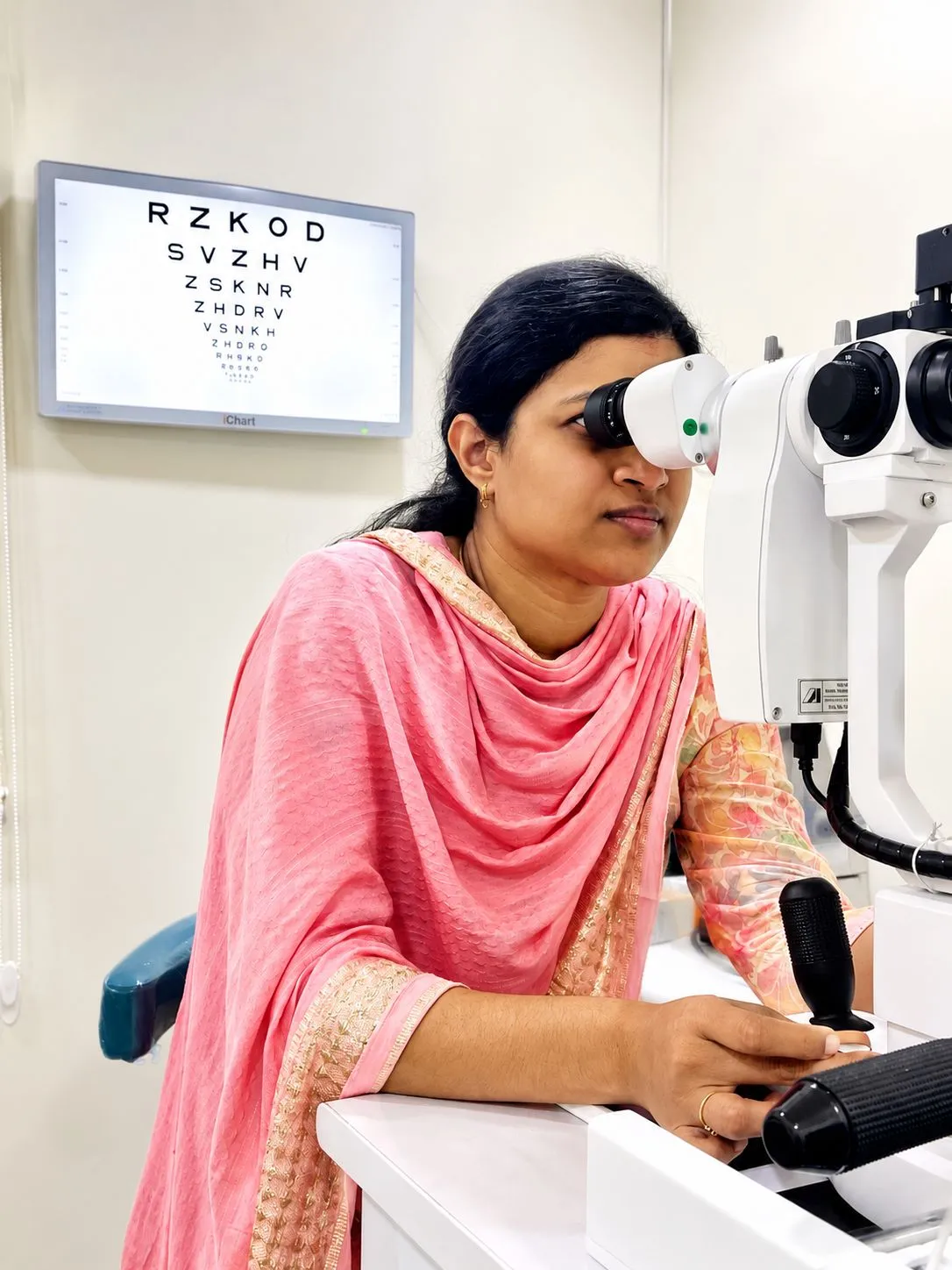
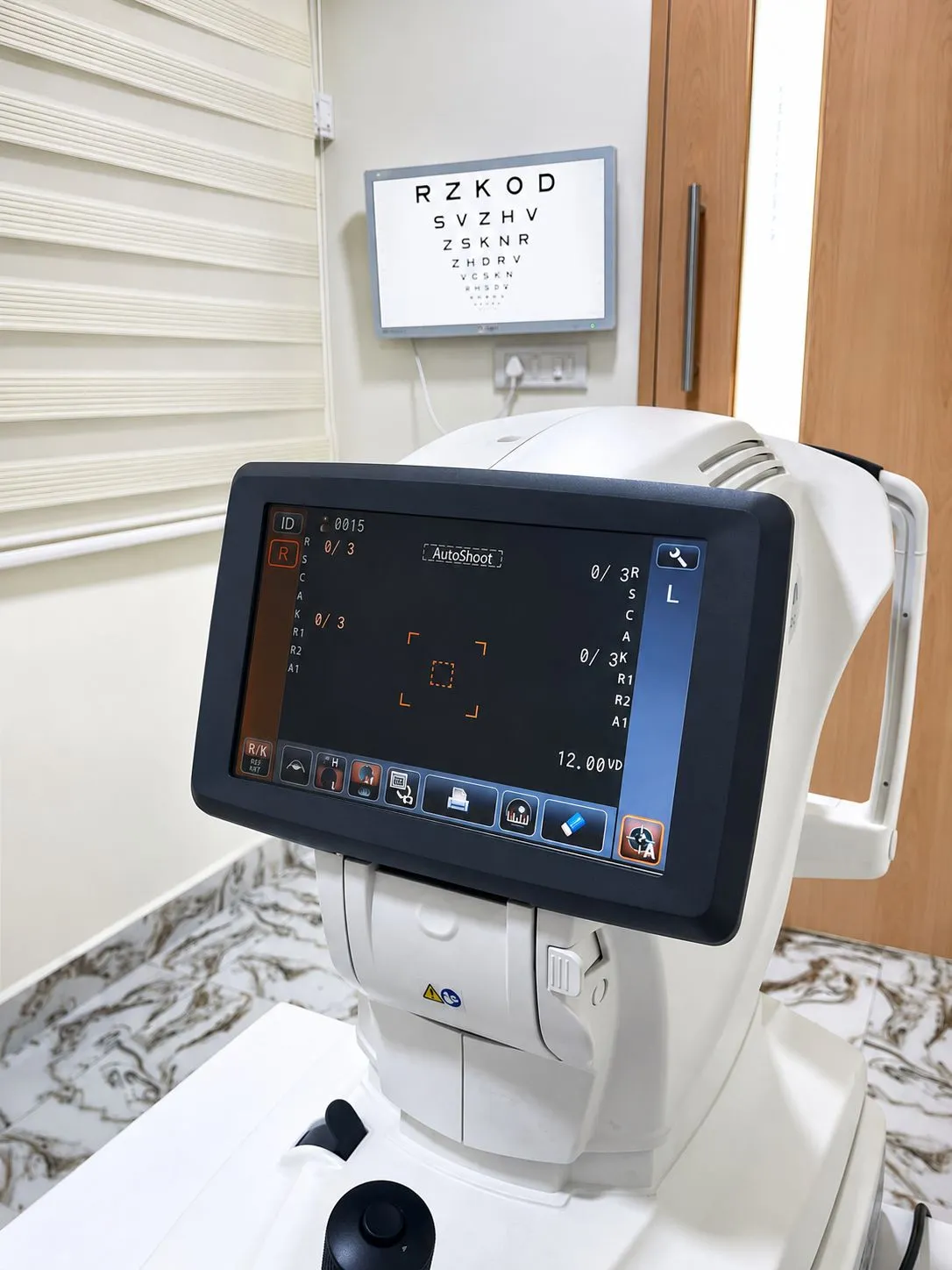
A look inside Crispr Eye Care, KK Nagar.





Book Your Appointment
Select an available time slot below to secure your consultation.
Patient Details
Select Slot
Select a date to see available times.