Glaucoma Screening in KK Nagar, Chennai
Glaucoma often has no symptoms until vision is lost. Dr. Rajeswari offers thorough screening to protect your sight.
Or book online below ↓
Evidence-Based
Ethical Treatment
Why Patients Choose Crispr
See the Same Doctor Throughout Your Care
You see Dr. Rajeswari at every visit -- not a different specialist each time.
Time to Ask Questions
We believe patients deserve time to understand their diagnosis, treatment options, and next steps -- not a rushed consultation.
Recommendations Based on Need
Treatment is suggested because it's clinically right for you -- never to fill a schedule.
Convenient Follow-Up, Close to Home
No traveling across the city for routine visits -- your doctor and your records are right here.
Focused on Preserving Your Vision
Our priority is catching changes early, when treatment can still protect what you have.
Convenient, Without Compromise
Evening Hours
Mon-Sat: 9:30-11:30 AM & 5:00-8:00 PM
No Leave Needed
Most visits fit after work
Goutham Colony, K. K. Nagar
Near Ashok Nagar, Vadapalani
View on Map
Easy Follow-Up
Same clinic, every time
Ready to schedule?
Dr. Rajeswari Thangavel
Ophthalmologist · AIIMS-Trained
AIIMS-trained ophthalmologist with deep expertise in managing complex visual disorders. Dr. Rajeswari is committed to providing ethical, evidence-based eye care, prioritizing your long-term visual health over high-volume transactions.
View Full CredentialsWhy Glaucoma Often Goes Unnoticed
Many people assume that if their vision feels normal, their eyes must be healthy. Glaucoma often develops gradually and without obvious symptoms, which is why many people are unaware they have it until screening identifies early changes. A simple eye pressure check and optic nerve evaluation can catch it years before you'd ever notice symptoms yourself. The goal of screening is not to find disease -- it's to find it early enough that the vision you have can be protected.
You Should Prioritize an Eye Examination If:
What I Commonly Hear From Patients
Ophthalmologist
"Doctor, my vision seems normal. Why should I worry about glaucoma?"
This is probably the most common question I hear about glaucoma. The challenge is that glaucoma usually develops gradually, and many people notice no change in vision during the early stages. By the time symptoms become obvious, some vision may already have been permanently lost. A screening examination allows us to look for changes before they affect your daily life. Most people we screen do not have glaucoma, but when we do find early changes, we have the opportunity to protect vision before damage progresses.
What Happens Next
Eye Pressure Check
A quick, painless measurement of intraocular pressure.
Optic Nerve Evaluation
Assessment of the optic nerve for early signs of damage.
Ongoing Protection
If needed, treatment focused on preserving the vision you have.
Have a question first? We're happy to help before you decide.
A Few Common Questions
If my vision is normal, why should I be screened?
How often should glaucoma screening be done?
Does a high eye pressure reading mean I have glaucoma?
Want to Learn More?
Learn more about glaucoma
Visit Our Clinic
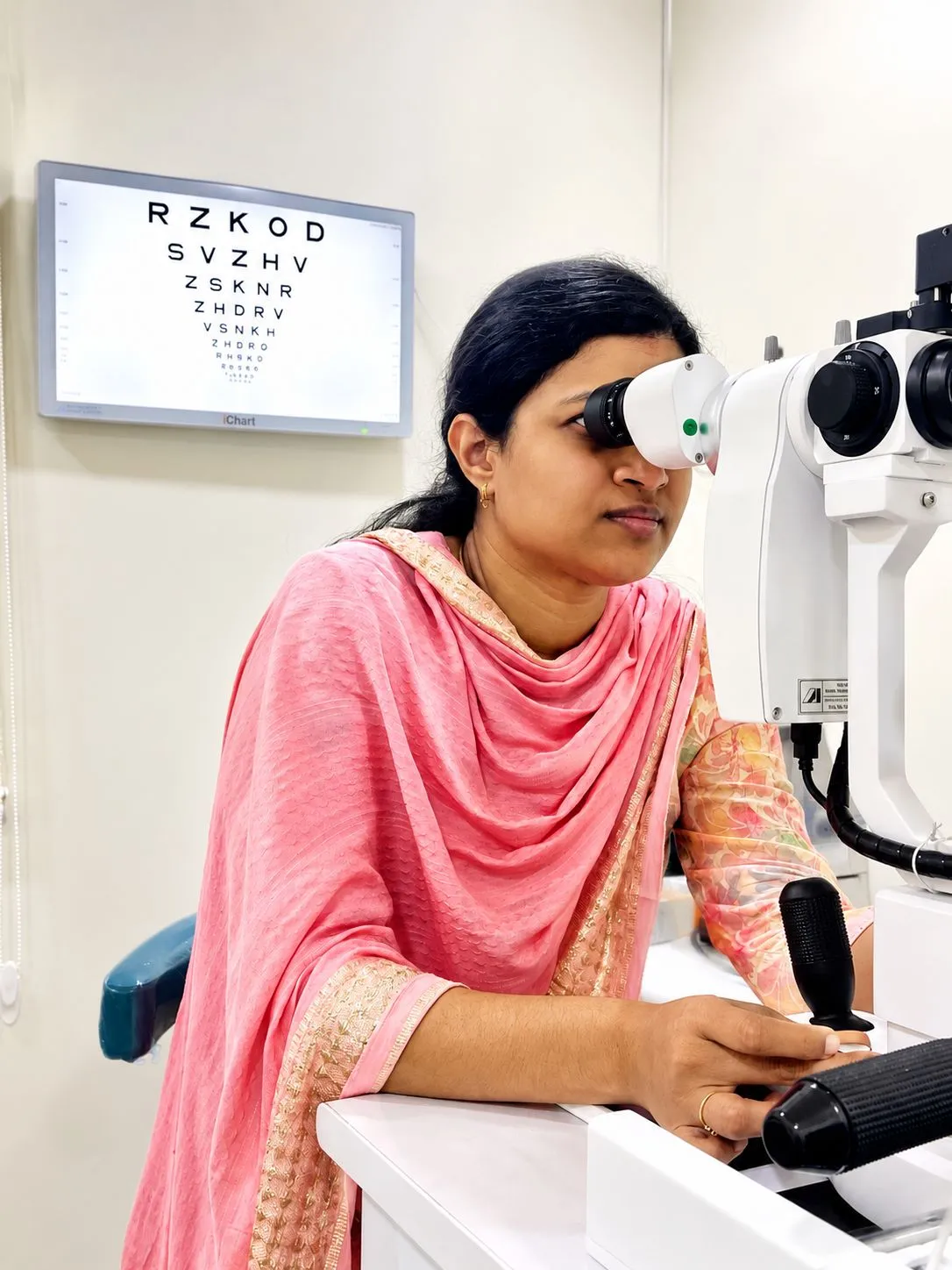
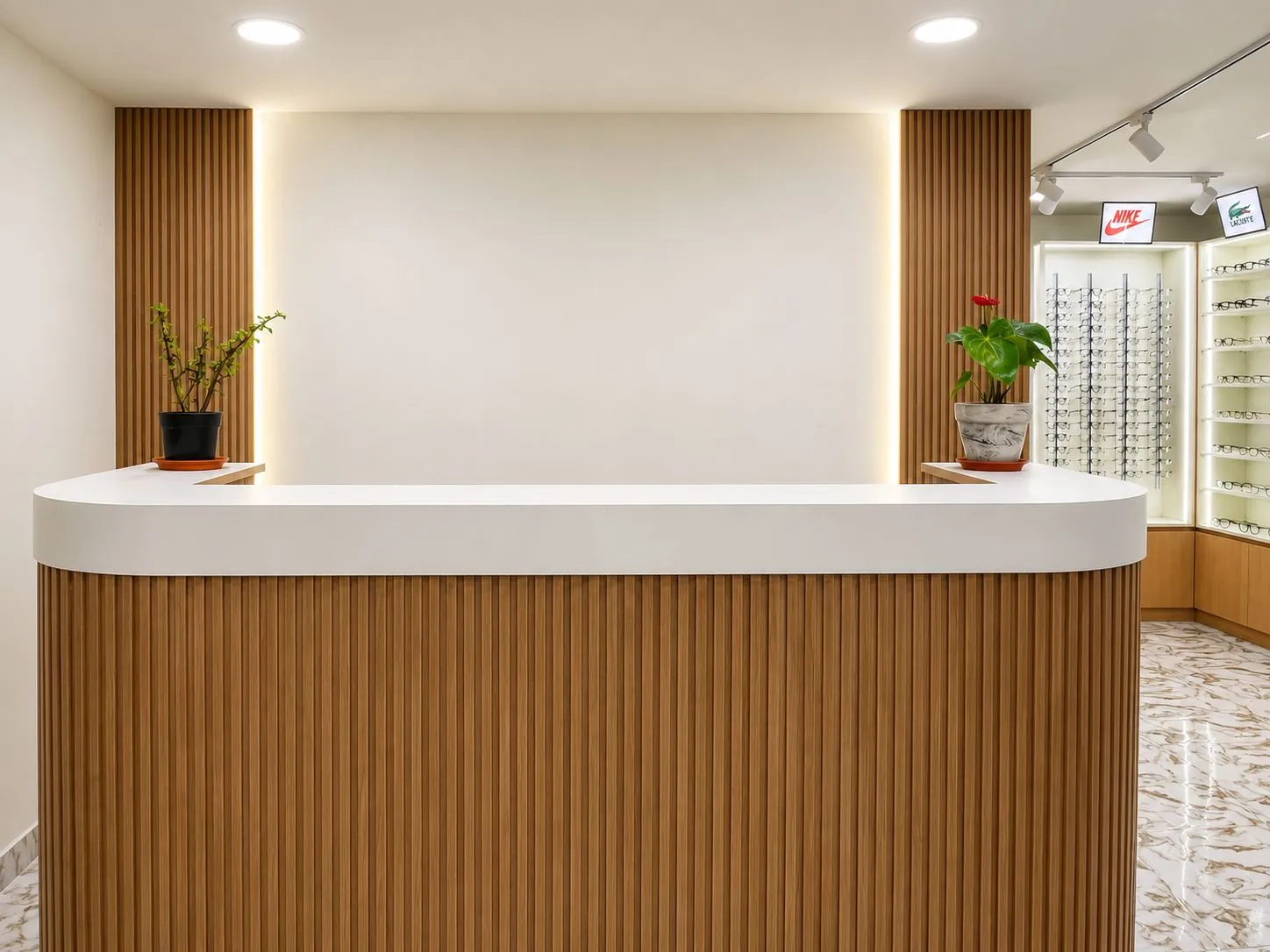
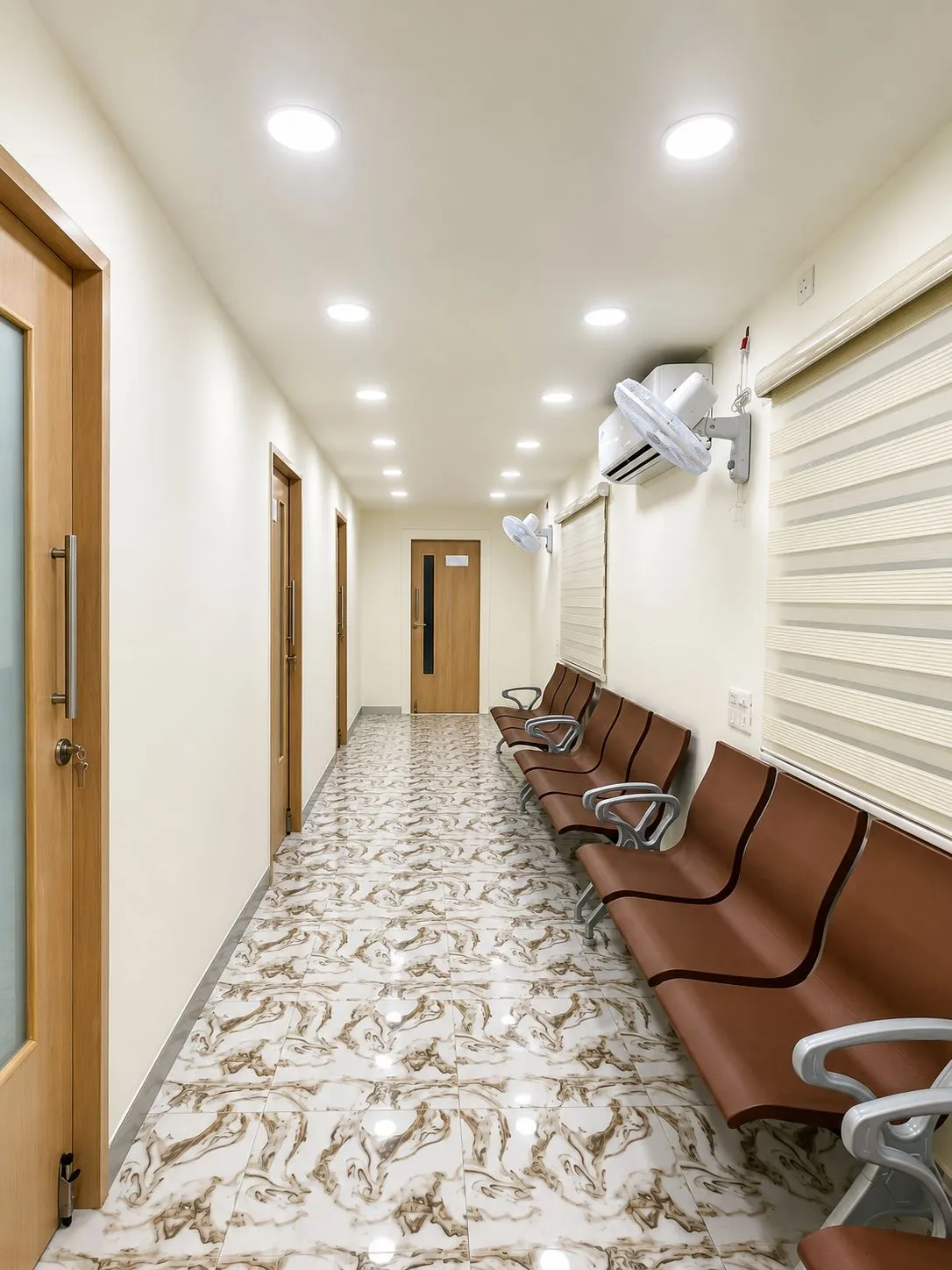
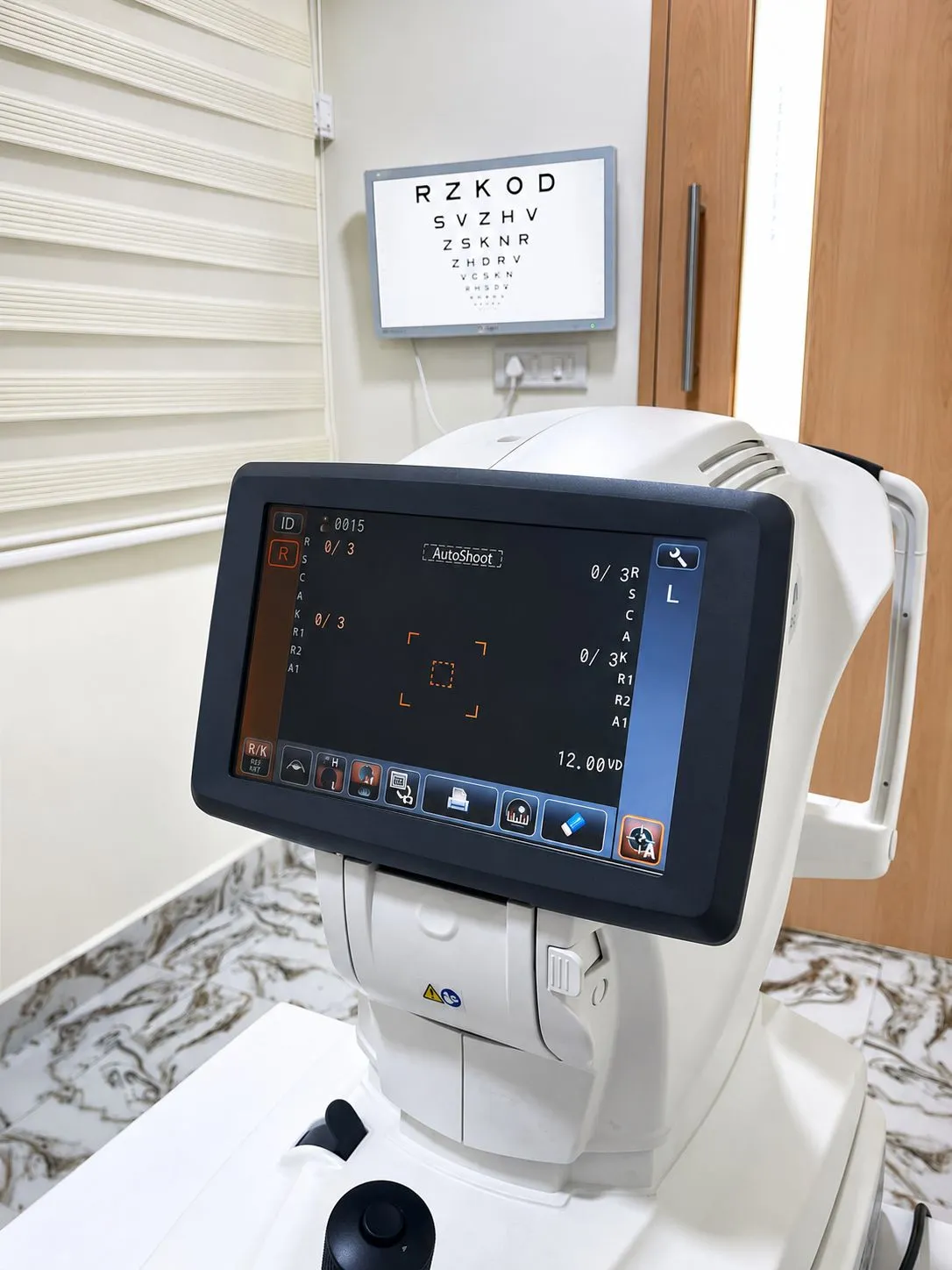
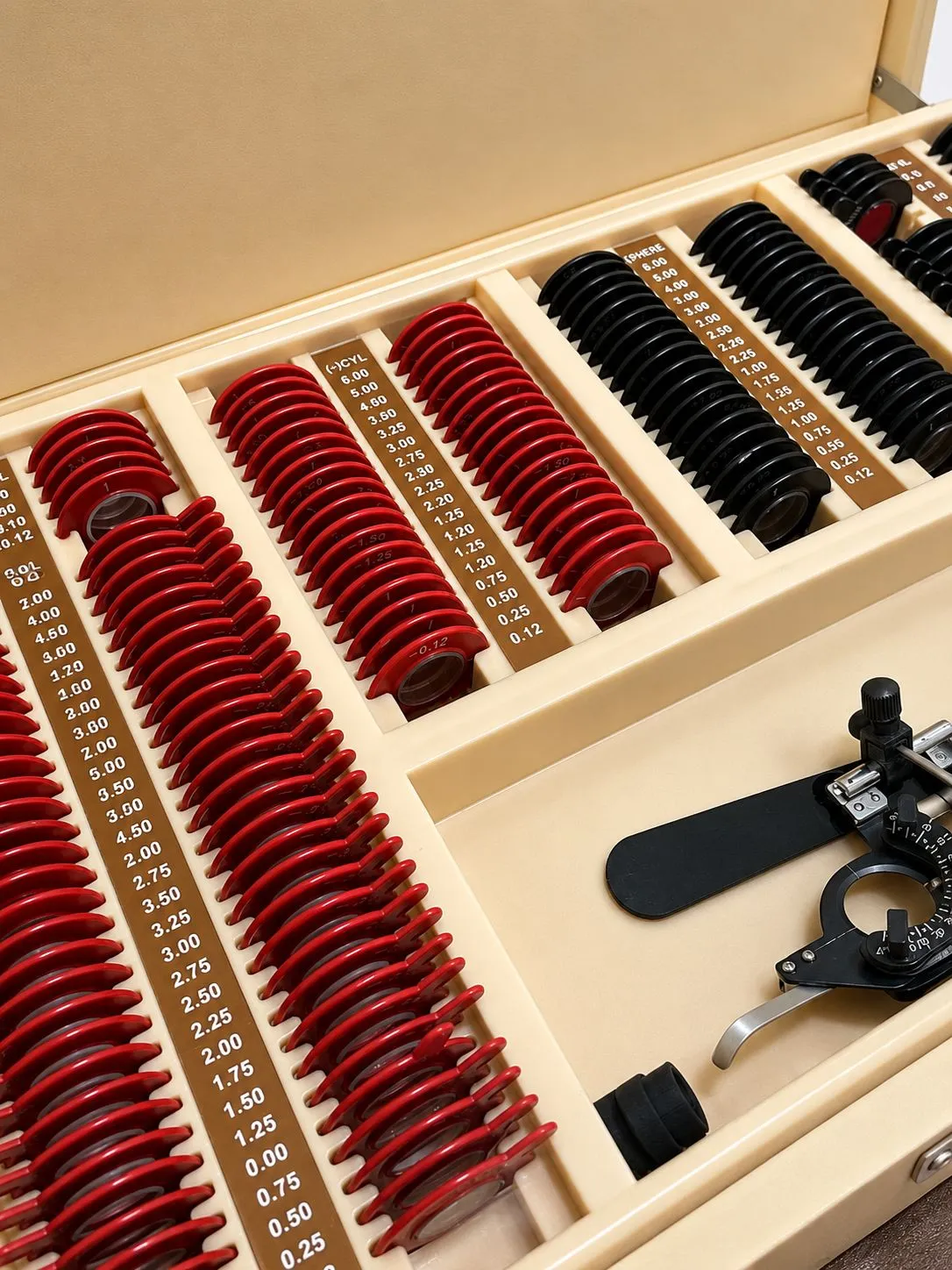
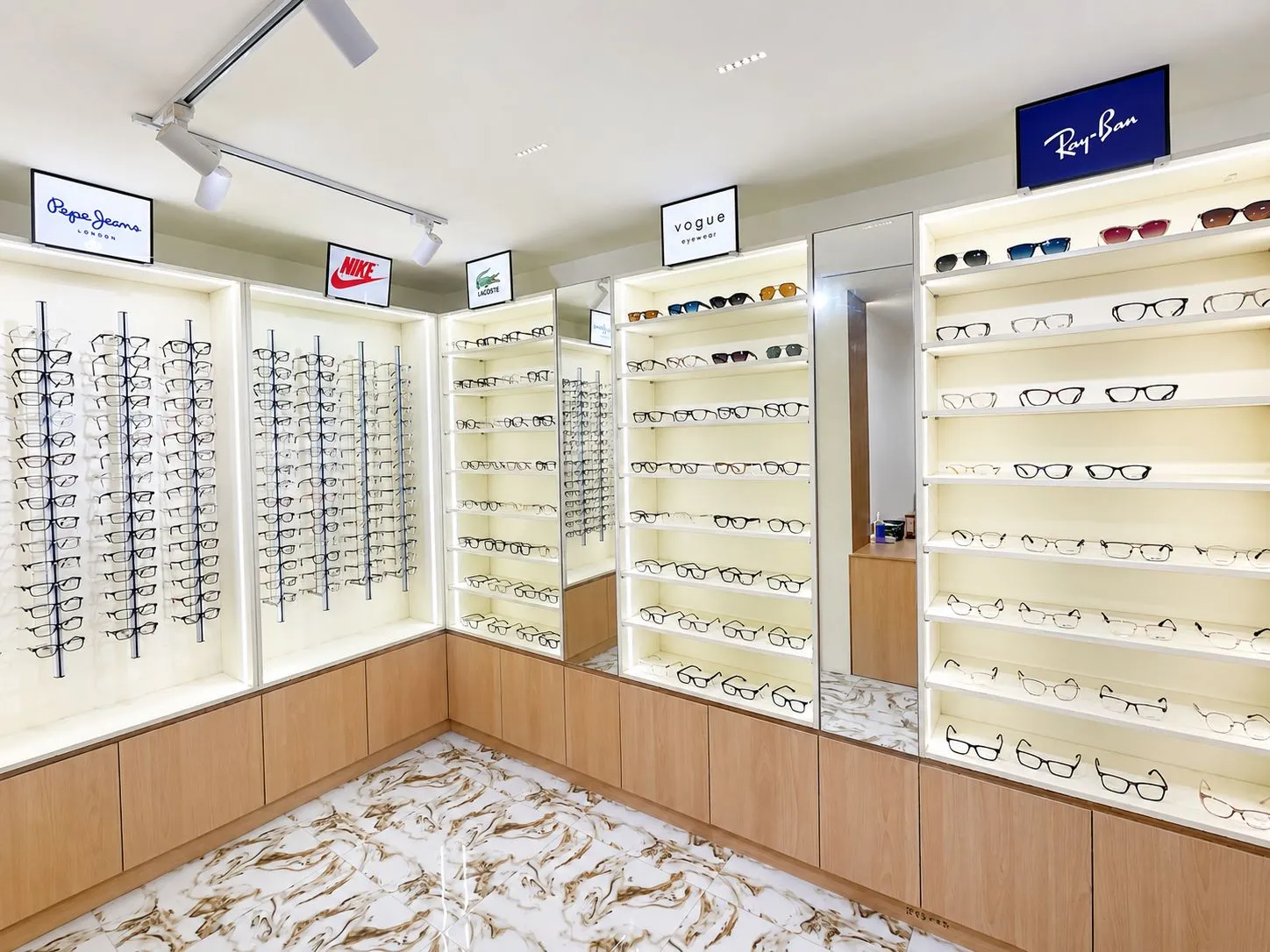
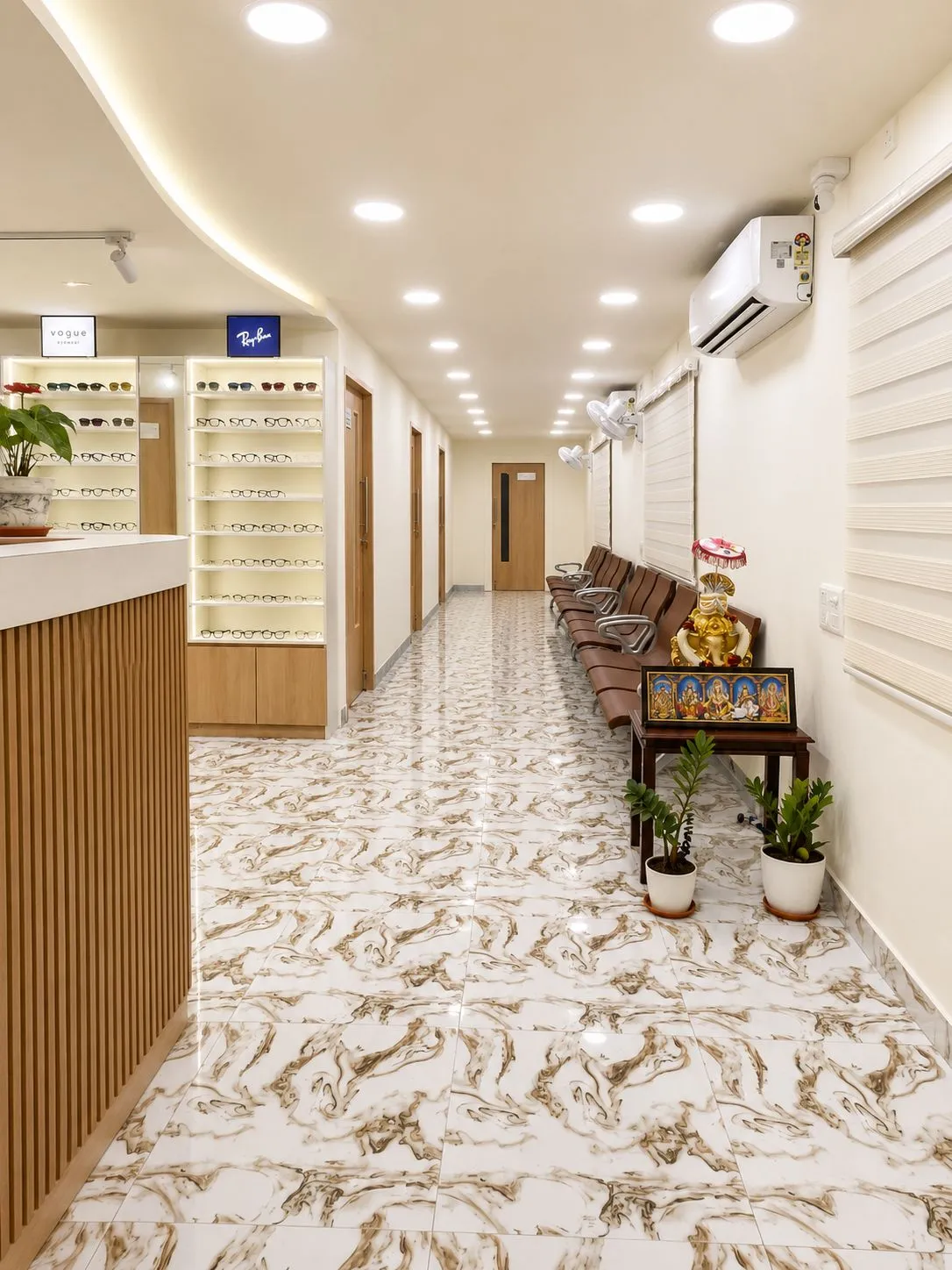
A look inside Crispr Eye Care, KK Nagar.
Book Your Appointment
Select an available time slot below to secure your consultation.
Patient Details
Select Slot
Select a date to see available times.